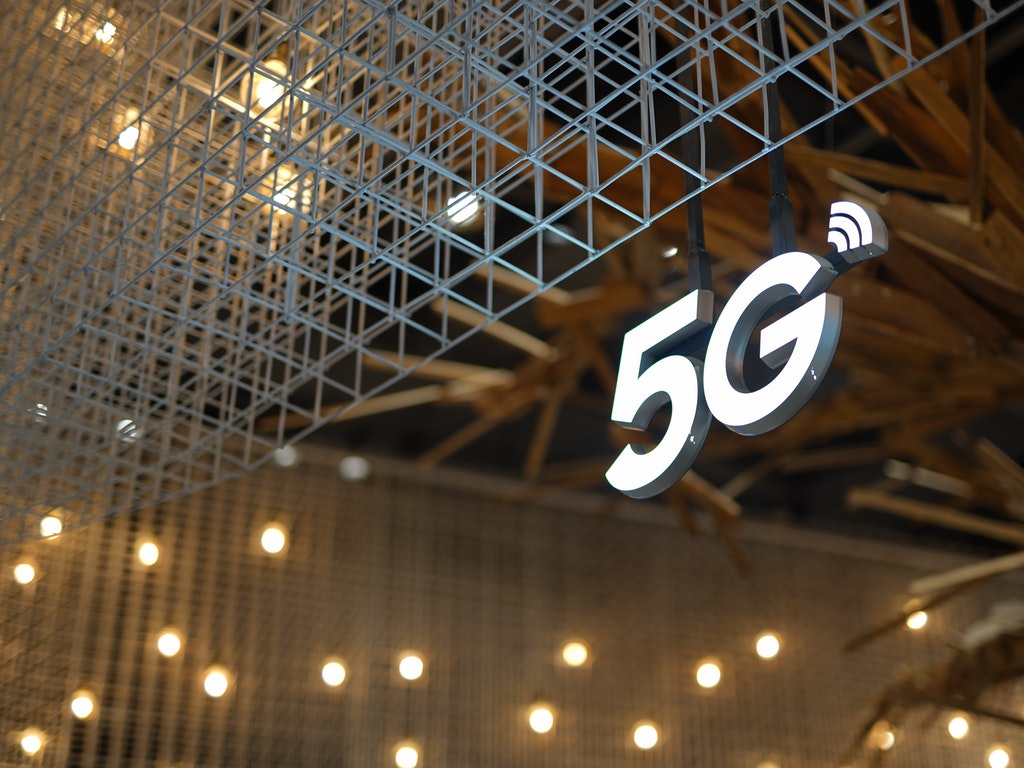
5G technology has generated significant buzz in recent years for its potential to revolutionize how we connect and communicate. As the next generation of wireless technology, 5G promises lower latency, faster speeds, and the ability to support many connected devices. However, like any technological advancement, 5G has advantages and disadvantages. In this article, we’ll delve into what 5G is, the benefits it offers, and the potential drawbacks associated with its implementation.
What Is 5G
5G, or fifth-generation wireless technology, represents the latest evolution in mobile communication networks. It builds upon the foundation laid by previous generations, such as 4G LTE, but introduces enhancements that enable faster data transmission, reduced latency, and greater connectivity capacity. Unlike its predecessors, 5G is designed to accommodate various applications beyond smartphones, including the Internet of Things (IoT), autonomous vehicles, smart cities, and more.
Advantages of 5G
Blazing Fast Speeds
One of the primary advantages of 5G is its unparalleled speed. With theoretical download speeds up to 20 Gbps, 5G is exponentially faster than 4G. This translates to quicker downloads, seamless streaming, and enhanced user experiences for virtual and augmented reality applications.
Lower Latency
5G technology significantly reduces latency or the time data travels from source to destination. This improvement is crucial for applications that require real-time interaction, such as online gaming, video conferencing, and autonomous vehicle communication.
Greater Network Capacity
5G’s higher frequency bands allow for greater data capacity, meaning more devices can connect to the network simultaneously without sacrificing performance. This is especially important as the number of connected devices continues to grow with the rise of the IoT.
Enabler for Emerging Technologies
5G is a critical enabler for emerging technologies like self-driving cars, remote surgery, and smart cities. Its high speed and low latency make these applications feasible by providing the necessary connectivity and responsiveness.
Disadvantages of 5G
Limited Coverage Area
Due to the nature of higher frequency bands used by 5G, the coverage area of each cell tower is smaller compared to previous generations. This means that in some areas, the full benefits of 5G may not be accessible.
Infrastructure Requirements
Significant infrastructure upgrades are required to fully realize the potential of 5G. This includes deploying more cell towers, antennas, and fiber-optic cables. The cost and complexity of these upgrades can be challenging for some regions.
Potential Health Concerns
Some express concerns about the potential health effects of increased exposure to electromagnetic radiation from 5G networks. However, extensive research is ongoing, and regulatory bodies maintain that exposure limits are safe.
Interference and Obstacles
Higher frequency bands used by 5G are more susceptible to interference from physical obstacles like buildings and trees. This may reduce signal strength and performance in densely populated urban environments.