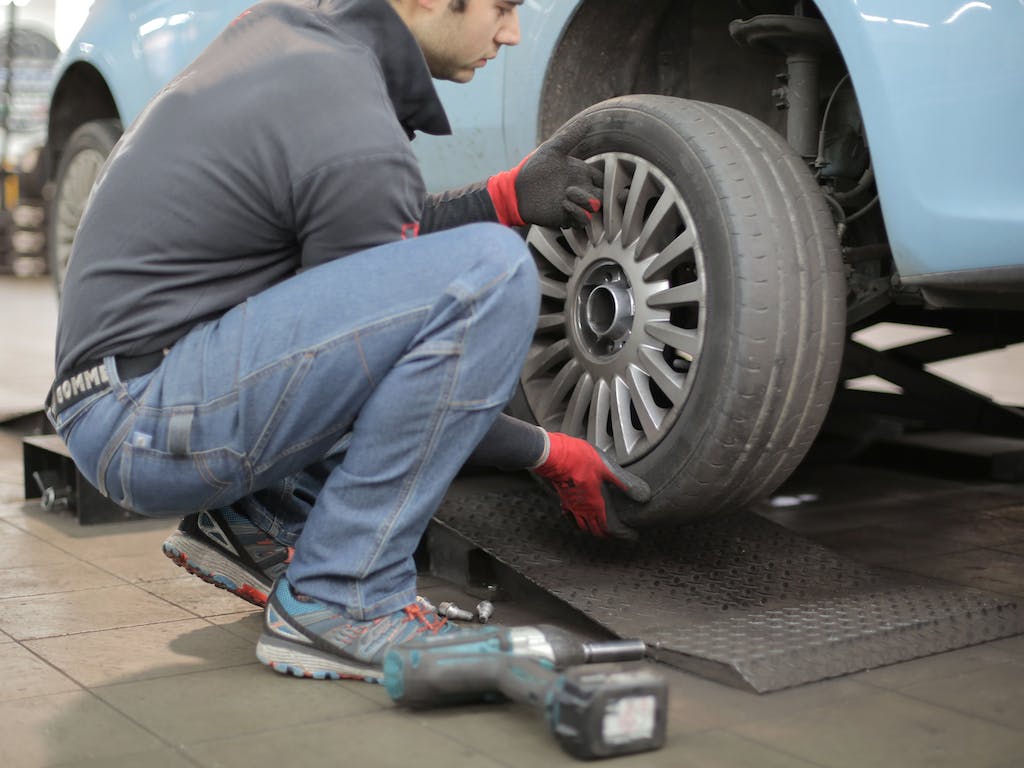
Understanding how to read tire sizes is essential for every vehicle owner. The letters, numbers, and symbols on your tires may initially seem confusing, but they hold vital information about your tire’s specifications. In this guide, we’ll break down the components of tire size and explain each aspect, ensuring you can decode tire sizes confidently.
Width of The Tire
The first three-digit number in tire size, such as 205 in “205/55R16,” represents the tire’s width in millimeters. This measurement indicates the distance from one sidewall to another when the tire is mounted correctly and inflated.
Aspect Ratio
The number following the slash in the tire size, like 55 in “205/55R16,” is the aspect ratio. This figure signifies the ratio of the tire’s height to its width. In this example, the height is 55% of the width.
Radial Construction
The letter “R” in tire size, such as “205/55R16,” indicates the tire’s radial construction. Nearly all modern tires use radial construction, where the layers of the tire’s internal structure run radially across the tire, enhancing stability and ride comfort.
Diameter of The Rim
The last number in the tire size, such as 16 in “205/55R16,” represents the diameter of the rim the tire fits. This measurement is in inches and must match the rim size for proper fitment.
Load Index and Speed Rating
Tire sizes include a load index and speed rating, denoted by two additional numbers and a letter following the tire size. The load index indicates the tire’s maximum load-carrying capacity, while the speed rating indicates the maximum speed the tire can safely handle.
Load Range
You might encounter a load range designation for light truck tires, such as “LT” for light trucks. This indicates the tire’s load-carrying capacity and ply rating, providing information for vehicles that require heavier-duty tires.
Seasonal Designations
Some tire sizes include letters indicating the tire’s intended use. For example, “M+S” signifies all-season tires suitable for mud and snow, while “S” indicates a summer tire.
Understanding Plus Sizing
Plus, sizing involves increasing the diameter of your vehicle’s wheels while maintaining the overall tire diameter. This can enhance aesthetics and handling but requires proper selection to avoid clearance issues.
Consult Your Vehicle’s Manual
Consulting your vehicle’s owner’s manual is important when selecting the appropriate tire size. The manual will provide recommended tire sizes that ensure optimal performance and safety for your specific vehicle.