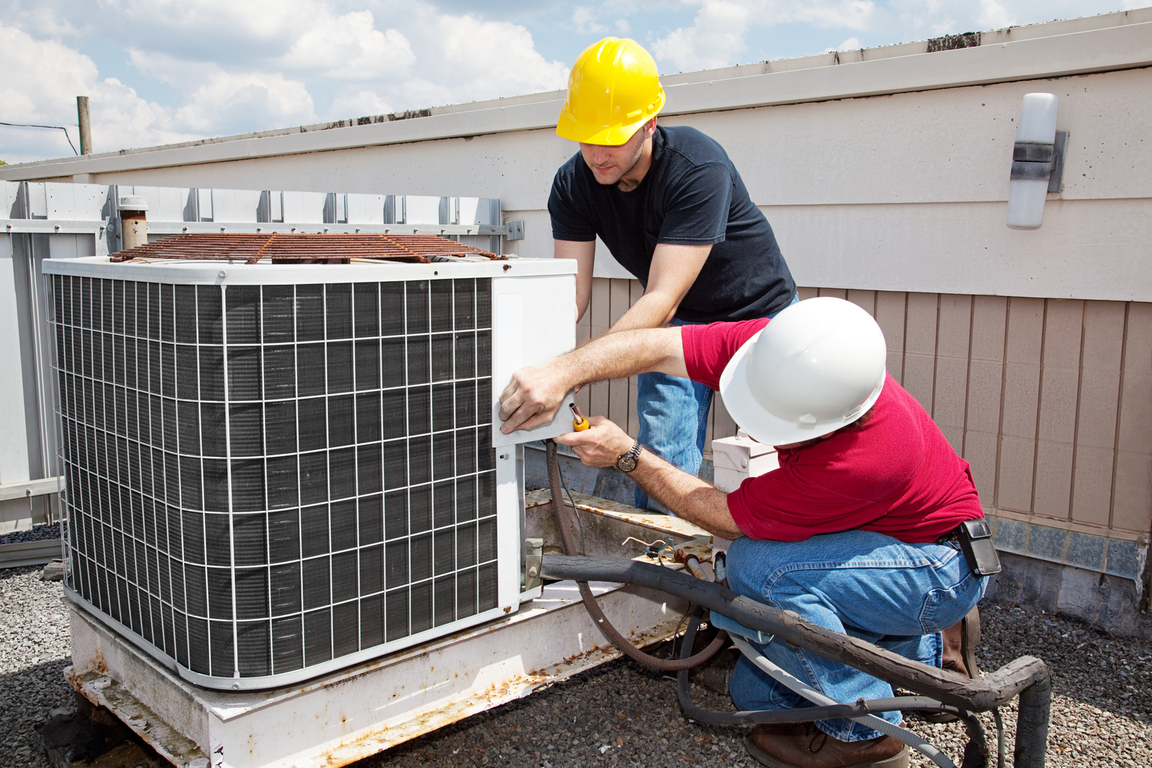
Heating, ventilation, and air conditioning (HVAC) systems are essential for maintaining comfort in our homes and businesses. However, they can also contribute significantly to energy consumption and costs. Fortunately, there are effective strategies to enhance the energy efficiency of HVAC systems while maintaining optimal indoor conditions. In this article, we’ll explore key strategies to help you achieve energy efficiency and reduce your environmental footprint.
Regular Maintenance
Regular HVAC system maintenance is crucial for optimal performance and energy efficiency. If you have dirty filters or clogged ducts, your system must work harder and consume more energy. Schedule routine maintenance, including cleaning, inspections, and tune-ups, to ensure your HVAC system operates efficiently.
Programmable Thermostats
Installing programmable thermostats allows you to set different temperature settings for various times of the day. You can adjust the temperature based on your schedule to avoid unnecessary cooling or heating when no one is home. This minimizes energy wastage and reduces your utility bills.
Sealing and Insulation
Proper sealing and insulation of your home or building can prevent heat loss in the winter and heat gain in the summer. Insulating attics, walls, and windows, as well as sealing gaps and cracks, reduces the workload on your HVAC system and maintains a comfortable indoor temperature with less energy consumption.
Zoning Systems
Zoning systems divide your home or building into different areas with individual temperature controls. This allows you to heat or cool only the areas in use rather than conditioning the entire space. Zoning systems optimize energy usage by directing conditioned air where needed most.
Energy-Efficient Equipment:
When upgrading your HVAC system, choose energy-efficient equipment with high Seasonal Energy Efficiency Ratio (SEER) ratings for cooling and high Annual Fuel Utilization Efficiency (AFUE) ratings for heating. Energy-efficient units consume less energy while providing the same level of comfort.
Ventilation Management:
Proper ventilation is essential for indoor air quality, but it’s important to manage it efficiently. Use programmable exhaust fans in kitchens and bathrooms to only expel humid or odorous air when necessary. This prevents excessive energy consumption from constant fan operation.
Natural Ventilation and Daylighting
Utilize natural ventilation and daylighting to reduce the need for mechanical cooling and lighting. Open windows during cooler periods to allow fresh air circulation and incorporate design elements that maximize natural light.
Energy-Efficient Window Treatments
Invest in energy-efficient window treatments such as reflective blinds, thermal curtains, or window films. These treatments can help regulate indoor temperatures by reducing heat gain from sunlight and preventing heat loss during colder months.
Regular Filter Replacement
Clean and replace HVAC filters regularly. Dirty filters obstruct airflow and force your system to work harder, consuming more energy. Clean filters improve air quality and help your system operate more efficiently.
Educating Occupants
Educate occupants about energy-saving practices, such as closing windows and doors when the HVAC system is on, using fans to circulate air, and setting thermostats to energy-efficient temperatures. Encouraging responsible habits can significantly contribute to energy efficiency.